Next-Generation Intelligent Data Management
Built for the Investment Management Industry
Buy-side data management as a no-code data operating system, not another warehouse project.

Buy-side data work is exception-driven. Your platform shouldn’t be.
Operations live in approvals, alerts, and change — not in warehouse jobs. Public markets arrive as feeds; private markets often arrive as unstructured packs.
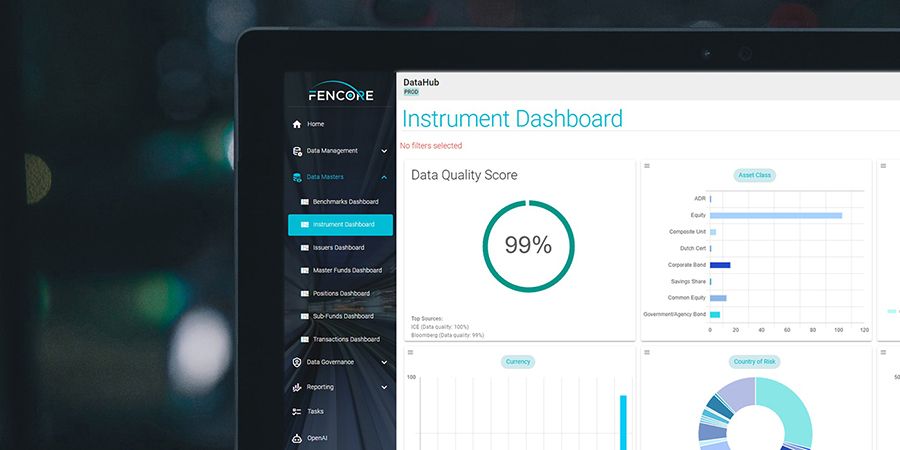
Fencore DataHub is the no-code layer those desks run every day: golden records, governed pipelines, and the controls that sit with the data (self-service, or with managed services).
Fencore DataHub is the no-code layer those desks run every day: golden records, governed pipelines, and the controls that sit with the data (self-service, or with managed services).


Trusted by Partners and Clients







How We're Different
Snowflake, Fabric, and Databricks move and store data. Fencore DataHub is the buy-side data operating system on top: multi-eye approvals, central alert triage, mastering into golden records, governed pipeline design, and Cori, the in-product assistant — all inside the same access model.
That includes structured vendor feeds and unstructured private-markets packs, with self-service no-code or Fencore managed services. See what ships on day one versus handcrafting an equivalent in-house, and why teams underestimate the ops layer when they budget a warehouse project.
The Data Operating System That includes structured vendor feeds and unstructured private-markets packs, with self-service no-code or Fencore managed services. See what ships on day one versus handcrafting an equivalent in-house, and why teams underestimate the ops layer when they budget a warehouse project.
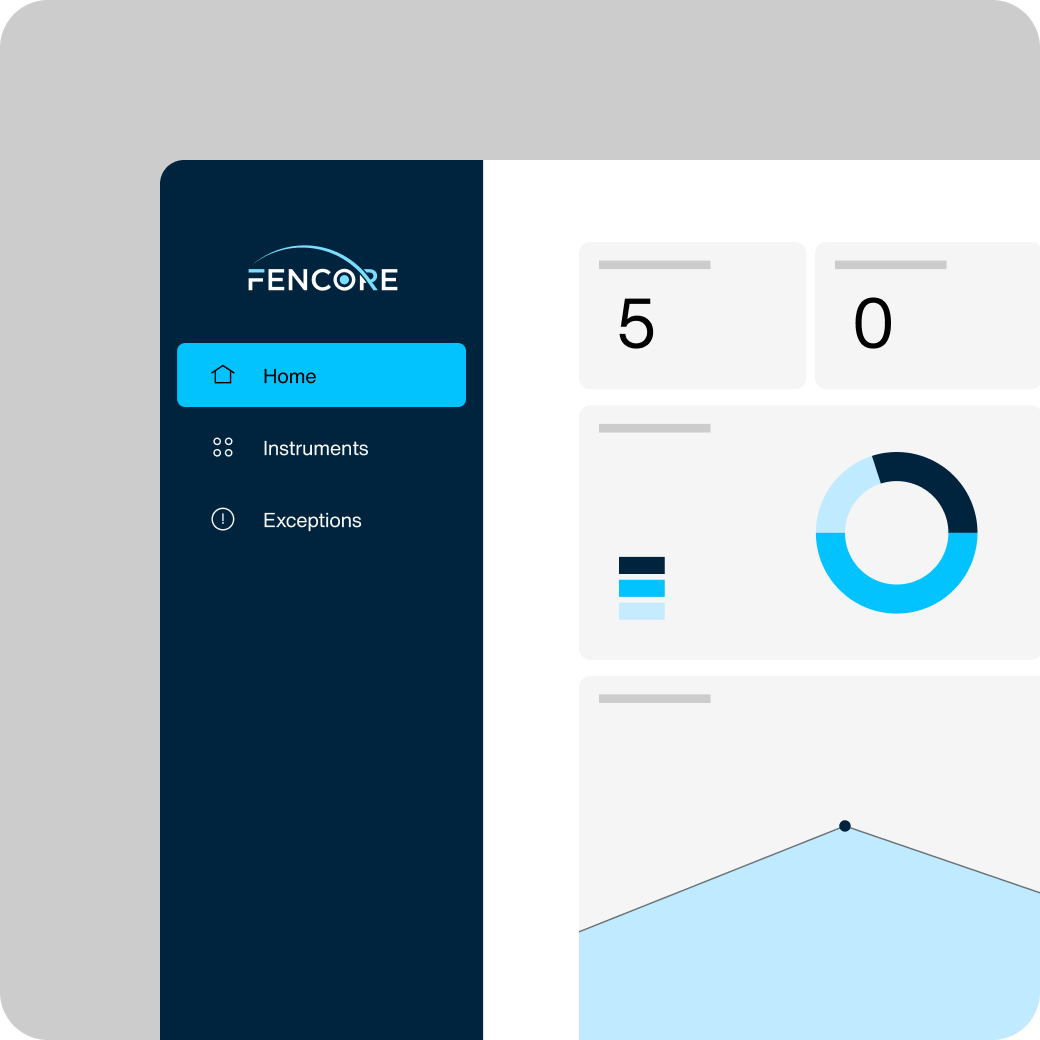
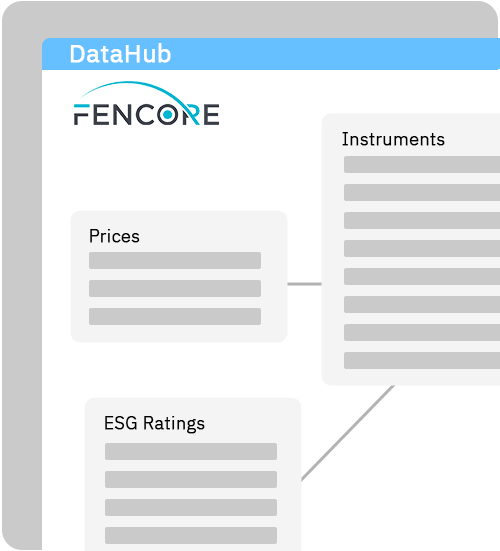
DataHub: your data operating system
The ops layer investment managers run every day, not the warehouse underneath it. Public and private markets, structured and unstructured. Self-service or managed services.

Have any questions?
Get in touch.